SPECIES DIRECTORY
Double Click to jump
Collecting methods
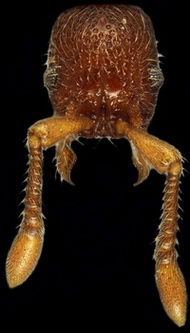
Various combinations of methods are used for sampling of our study areas, depending on the focus of the particular project. The most comprehensive protocol is used for beta-diversity studies, where several collecting methods are applied in each sampling plot, which is then replicated within and among localities.
Sampling protocol for ground, understory and leaf litter ant fauna:
- Square plot of 20 m by 20 m, with at least 6 plots in primary forest and 4 in secondary forest at each study site.
- Each plot contains: 25 tuna baits on the ground and 25 baits on vegetation, placed between 1 and 2 m above the forest floor; 9 Winkler leaf litter samples (1m2 each, extraction period: 3 days).
- Whole plot is exhaustively searched (hand collection), any available nesting microhabitat is surveyed starting from soil up to a height of two meters from the forest floor, the minimum collecting time is four person-hours per plot.
Sampling protocol for population genetic and phylogeography studies:
- At each site, ants are surveyed at multiple spots by direct hand collecting from colonies and from foraging trails.
- If possible, 10 to 30 bait traps are exposed for 1 hour. Occasionally, 3 -10 Winkler leaf litter samples can be taken.
- For colony based collection, between 1 and 30 workers are collected and nest type is noted or photographed. Between 1 and 10 colonies of the same species are collected at the same sampling site (if direct identification is possible). Ants are preserved in 99.8% absolute ethanol.
Canopy fauna
- Trees are climbed by single rope technique and ants are collected by hand or with use of bait traps.
- If the opportunity arises and trees are being locally cut down for building materials, freshly fallen trees are exhaustively searched for nesting and foraging ants.
- During our foodweb project a complete survey of ant communities in a one hectare plot of primary and a one hectare plot of secondary lowland forest was undertaken. Colonies and foraging individuals were collected from all trees with DBH > 5 cm which were gradually felled during preparation of a traditional food garden.